

Spotting small, pearly bumps on your child’s skin can spark worry, especially when they linger or look unusual. For Black parents, molluscum contagiosum—a common viral skin infection—poses unique hurdles, from misdiagnosis on darker skin to limited specialist access. This article dives into its prevalence, distinct presentation, and practical treatment options, empowering you to protect your child’s skin with confidence.
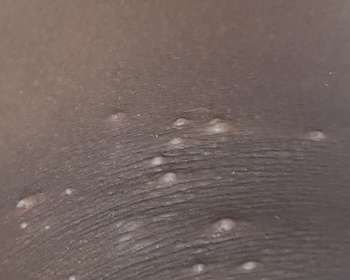
Those tiny, dome-shaped bumps on your child’s arms or face might seem minor, but they could point to molluscum contagiosum, a viral skin infection affecting millions of kids yearly.
In Black communities, these bumps often fly under the radar or get misdiagnosed due to their appearance on darker skin, made worse by systemic barriers like sparse dermatology care.
Research from Pediatric Dermatology revealed oversized molluscum lesions in African immigrant children, hinting at unique patterns. Here’s how to navigate this condition for your family’s health.
Decoding Molluscum’s Impact on Black Kids
Molluscum contagiosum, triggered by a poxvirus, impacts roughly 6 million people annually in the U.S., with a 5–11% prevalence among children aged 1–14. These firm, umbilicated papules spread through direct contact, shared towels, or pool water, often appearing on the trunk, arms, or face.
Typically self-limiting, resolving within 18 months in healthy kids, molluscum can persist or present differently in Black children, raising concerns for parents. Recognizing its behavior is your first step to managing it effectively.
For practical support, Mollenol offers a wealth of guidance for parents. The site details molluscum’s causes, symptoms, and management, spotlighting natural, child-safe treatments.
You’ll find tips on curbing spread—like avoiding scratching or sharing towels—alongside plant-based products designed to gently reduce bumps without irritating sensitive skin. It’s a trusted resource for Black parents seeking accessible, non-invasive solutions tailored to kids.
Distinct Presentations in Black Skin
Evidence from a Pediatric Dermatology case series, published in 2021, sheds light on molluscum’s unique behavior in Black children, documenting eight cases of “giant” molluscum—lesions larger than 1 cm—in immunocompetent African immigrant children in Columbus, Ohio.
These oversized bumps, often mistaken for conditions like basal cell carcinoma or fungal infections, reveal diagnostic challenges in darker skin tones. Five of the eight cases faced initial misdiagnoses, showing how molluscum’s pearly look can appear less distinct or more inflamed on Black skin.
Misdiagnoses often stem from gaps in medical training. Findings in Archives of Dermatological Research from 2022 highlight that only 22–32% of images in major dermatology textbooks depict conditions like molluscum on skin of color, leaving providers underprepared.
This underscores the need to advocate for thorough evaluations. If you notice crusting or unusually large lesions, push for a specialist’s review to ensure accurate diagnosis and timely care.
Navigating Healthcare Barriers
Getting care for molluscum can feel like wading through quicksand for Black families. A British Journal of Dermatology analysis from 2023 revealed that only 46.7% of Black children with skin conditions see specialists, compared to 69% of White children.
This gap often ties to geographic disparities—urban areas with higher Black populations have dermatologist-to-population ratios exceeding 25,000:1, far above recommended levels, according to 2022 research in Archives of Dermatological Research.
Treatment inequities further complicate care. Black patients are less likely to receive nonsteroidal topicals or systemic medications for skin conditions, which can apply to severe molluscum cases. Resources like molluscum treatment options can help fill this gap.
The site outlines Mollenol’s natural, kid-friendly products, effective for reducing lesions without harsh chemicals, and offers practical tips, like keeping affected areas clean and avoiding communal pools, empowering you to manage outbreaks at home.
Cultural and Community Influences
Black families often cherish close-knit moments—think vibrant family reunions or kids playing together at community events. These settings, rich in connection, can unintentionally fuel molluscum’s spread through shared items or physical contact.
Observations from a 2020 study in the African Journal of Clinical and Experimental Microbiology noted anecdotal links between facial molluscum and immunocompromised states in Nigeria, but community transmission in Black populations generally follows typical patterns: direct contact and shared spaces like daycares drive outbreaks.
Urban environments, common in many Black communities, heighten exposure risks in places like public pools. Yet, rural Black families face longer wait times for specialists, as highlighted in a 2021 report from the Australasian College of Dermatologists, which echoes U.S. trends.
Pairing community wisdom—like elders’ advice on keeping skin clean—with practical steps like not sharing towels helps balance these realities. It’s about weaving cultural strengths into prevention strategies.
Practical Steps for Management
Effective molluscum management starts with informed action. The CDC recommends monitoring mild cases, as most resolve without intervention, but persistent or giant lesions may require treatment.
For Black parents, ensuring providers recognize molluscum on darker skin is critical. Dermoscopy, which reveals white clods in lesions, aids diagnosis but isn’t always available in underserved areas. If bumps persist or grow, request a dermatologist referral early to avoid misdiagnosis.
At-home care can shift the tide. Natural remedies, like those from Mollenol, offer a gentle option for kids, minimizing irritation on sensitive skin. Combine this with prevention: wash bedding weekly, trim kids’ nails to curb scratching, and discourage sharing personal items.
Telemedicine consultations with dermatologists can also bridge access gaps, especially in urban or rural areas with provider shortages. These steps, grounded in both modern and community-based practices, empower you to take charge.
Empowering Your Family’s Health
Molluscum contagiosum in Black children demands more than spotting bumps—it requires navigating a healthcare system where diagnostic and access disparities persist. From oversized lesions in African immigrant kids to gaps in dermatology training, the challenges are real but manageable.
With knowledge, resources like Mollenol, and proactive prevention, you can safeguard your child’s skin health while advocating for equitable care. As research catches up, your resilience—rooted in community strength—lights the path to better outcomes.


comments +